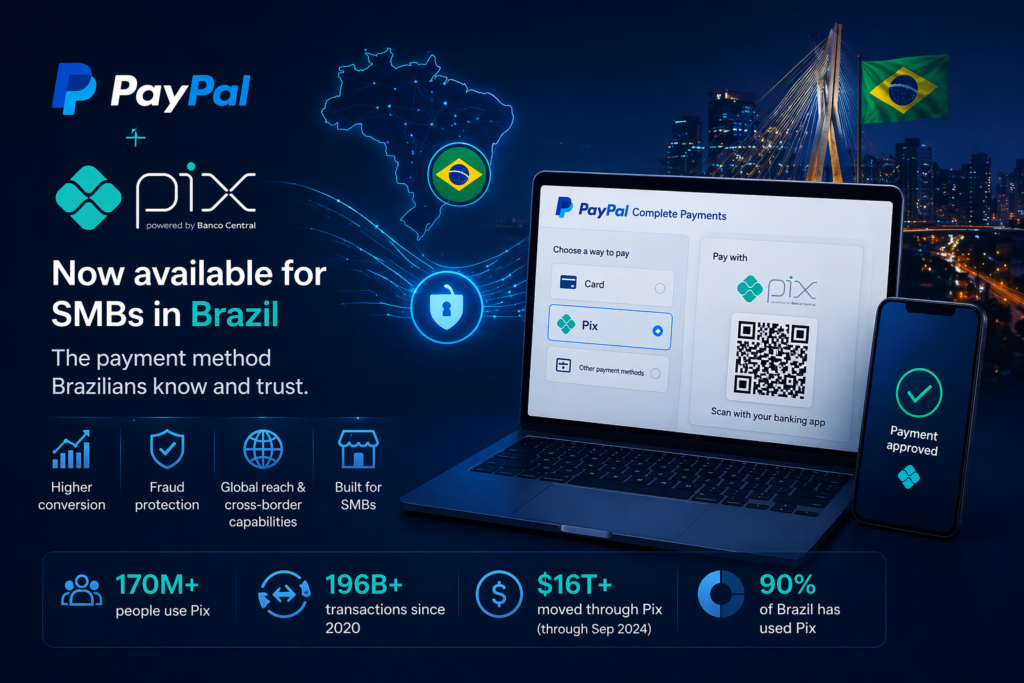
PayPal’s integration with Brazil’s Pix payment system has processed $16 trillion in transactions since 2020—more than seven times Brazil’s entire GDP. For mid-size banks and fintech startups handling cross-border payments, this development introduces immediate compliance requirements that most institutions haven’t prepared for.
According to PYMNTS, 90% of Brazil’s population now uses Pix, with the system recording more than 7 billion transactions in January alone. When a payment processor this dominant integrates with a global platform like PayPal, it creates ripple effects across the entire correspondent banking network.
The timing matters because PayPal is marking 15 years in Brazil, and this Pix launch represents part of their strategy to support small and medium-sized businesses with local payment methods. For community bank CTOs and compliance officers, this means your institution may soon encounter Pix-related transactions without direct involvement in the Brazilian market.
Why Your Bank Will See Pix Transactions Even Without Brazilian Customers
The PayPal Complete Payments platform now combines cards, local payment methods, and business tools in one integration. This creates a scenario where your mid-size bank processes what appears to be a standard PayPal transaction, but the underlying payment originated through Brazil’s instant payment system.
According to PYMNTS, more than 170 million people are already using Pix. “Pix is how Brazil pays today,” said Brunno Saura, general manager of PayPal Brazil. The volume is staggering—between Pix’s launch in 2020 and September of last year, the system processed around 196 billion transactions.
For compliance teams, this presents a challenge. Your existing transaction monitoring systems may flag unusual patterns when Brazilian consumers use Pix to pay U.S. merchants through PayPal, especially given the instant settlement nature of the system. The transactions move faster than traditional wire transfers but carry similar cross-border reporting requirements.
The business-to-business implications are equally significant. PYMNTS data shows there were more than 263 million B2B transactions valued at 1.5 trillion reals in December 2025, compared to 175 million transactions valued at 1 trillion reals in December 2024. This 50% year-over-year growth in B2B volume suggests your commercial banking customers will increasingly encounter Pix-integrated payments.
The Compliance Gap Most Mid-Size Banks Haven’t Addressed
The challenge for mid-size institutions lies in the regulatory framework. Pix operates under Brazil’s Central Bank supervision, but when these payments flow through PayPal to U.S. merchants, they fall under multiple jurisdictions simultaneously.
Your current anti-money laundering systems likely categorize PayPal transactions as lower-risk domestic payments. However, Pix-originated transactions carry the compliance requirements of cross-border payments, including potential FinCEN reporting obligations for transactions above certain thresholds.
The technical integration creates additional complexity. According to PYMNTS, more than 70% of all companies are buying online, but just 30% of the payments are done digitally. This gap means many businesses are unprepared for the compliance requirements that come with processing international instant payments through familiar platforms like PayPal.
For community banks serving small businesses, this creates a customer education challenge. Your commercial clients may not realize that accepting payments through PayPal’s Pix integration introduces Brazilian regulatory considerations into their transaction reporting.
Three Steps Your Compliance Team Should Take This Quarter
First, update your transaction monitoring rules to identify PayPal transactions that may involve Pix. This requires coordination between your compliance and IT teams to modify existing filters. Budget approximately $15,000 to $25,000 for a mid-size bank to implement enhanced monitoring for a specialized payment rail like this.
Second, review your Customer Due Diligence procedures for businesses that accept international payments through payment processors. The current PayPal integration means a local restaurant could theoretically receive payments from Brazilian tourists using Pix, creating compliance obligations your team may not have anticipated.
Third, establish communication protocols with your PayPal relationship manager, if applicable, or your core banking system vendor to understand how Pix-originated transactions appear in your reporting systems. This technical detail matters for accurate compliance reporting and customer support.
The timeline is critical because PayPal’s integration is already live. Unlike regulatory changes that provide implementation periods, this operational shift affects transactions immediately. Your compliance team has roughly 60 to 90 days to implement monitoring changes before transaction volumes reach levels that could trigger regulatory attention.
Common Implementation Mistakes That Create Regulatory Risk
The most frequent error is treating all PayPal transactions identically. Mid-size banks often categorize PayPal as a domestic payment processor, but Pix integration means some transactions now carry international compliance requirements. This misclassification can lead to under-reporting of cross-border payment volumes.
Another common mistake involves customer communication. Banks often fail to inform business customers about new compliance obligations when payment processors introduce international features. Your commercial clients need to understand that accepting payments through PayPal’s Pix integration may affect their own regulatory reporting requirements.
Technology integration presents the third major risk area. Many core banking systems require manual configuration to properly categorize transactions from new payment rails. Without proactive updates, your transaction monitoring system may miss patterns that warrant regulatory reporting.
The customer support implications are often overlooked. When Brazilian consumers use Pix to pay U.S. merchants through PayPal, transaction disputes may involve multiple currencies and regulatory frameworks. Your customer service team needs training to handle these more complex scenarios.
Bottom Line for Community Bank CTOs
PayPal’s Pix integration isn’t just a Brazilian market development—it’s an operational change that affects how cross-border payments flow through your institution. The technical implementation requires immediate attention to transaction monitoring systems and customer due diligence procedures. Most critically, the compliance requirements take effect immediately, not after a transition period.
Key Takeaways
- PayPal’s Pix integration processes transactions that may require cross-border compliance reporting, even for banks without direct Brazilian operations
- Mid-size banks need to update transaction monitoring systems within 60-90 days to properly categorize Pix-originated payments
- Commercial banking customers accepting international payments through PayPal now face additional regulatory reporting requirements they may not understand
The integration of Brazil’s dominant payment system with a global platform like PayPal creates immediate compliance obligations for mid-size banks. The question isn’t whether this affects your institution—it’s whether your compliance team is prepared to handle the complexity. How will your bank identify and properly report these hybrid domestic-international transactions?
Source: PYMNTS
Pingback: Treasury AI Risk Framework 230 Controls Hit Community Banks — Vendor Due Diligence Guide - AI Fintech Insider
Pingback: AI Autonomous Money Movement Making 200ms Decisions Creates Audit Gaps for Mid-Size Banks - AI Fintech Insider